MCT: Skin Rejuvenation Without Heat
MCT removes micro-columns of skin without heat — no risk of hyperpigmentation. A physician explains how it works and who it's for.

The Problem With Heat
For the past two decades, skin tightening has been dominated by one fundamental mechanism: controlled thermal injury. Lasers, radiofrequency devices, ultrasound platforms — despite their marketing differences, they all work by delivering heat to the dermis, creating a wound-healing response that triggers collagen production and tissue contraction.
This approach works. Thermage, Ultherapy, fractional CO2, and RF microneedling have helped millions of patients achieve tighter, smoother skin. But the mechanism carries inherent trade-offs that are rarely discussed in consultation rooms.
Heat-based devices rely on inflammation as the engine of rejuvenation. That means redness, swelling, and downtime proportional to the intensity of the treatment. For patients with darker skin tones, the risk of post-inflammatory hyperpigmentation is a constant clinical concern. For patients who want significant results, the treatment often needs to be aggressive enough to cause visible injury. And for all patients, there's a ceiling — you can only heat tissue so much before damage outweighs benefit.
This is the context in which MicroCoring Technology, or MCT, becomes interesting. Not because it's better than everything that came before. But because it sidesteps the heat equation entirely.
What MCT Actually Does
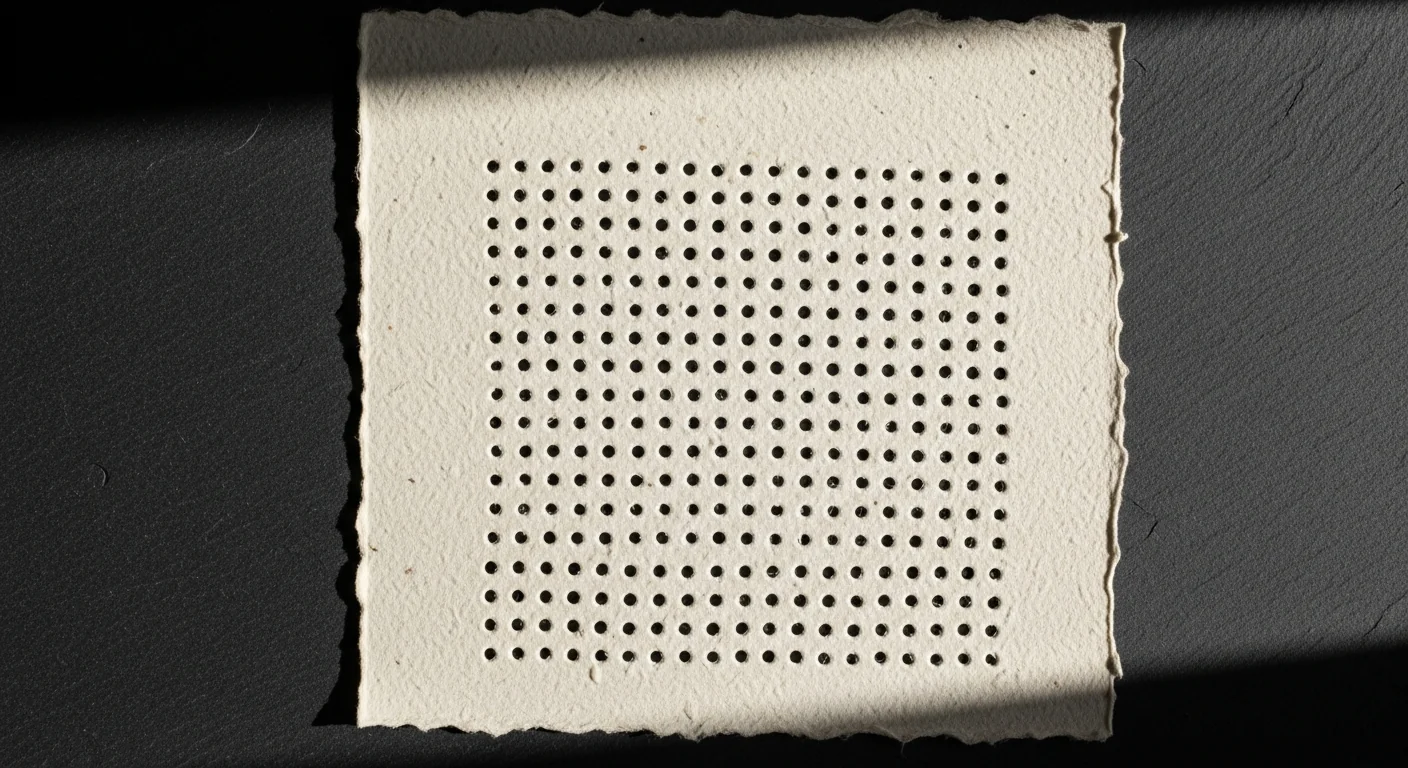
MCT takes a conceptually simple — and initially counterintuitive — approach: it physically removes thousands of micro-columns of skin, each smaller than the tip of a ballpoint pen.
The device uses a hollow needle array to extract cylindrical cores of tissue, typically 0.5mm in diameter, from the treatment area. No heat is applied. No thermal energy enters the skin. The surrounding tissue then contracts naturally to close these micro-wounds, resulting in a net reduction of skin surface area.
Think of it like tailoring. Instead of stretching or shrinking fabric with steam (heat-based devices), you're removing tiny, evenly distributed pieces of material so the garment fits tighter. The fabric itself is undamaged — there's just less of it.
The FDA cleared MCT (marketed as Ellacor) in 2022 for the treatment of moderate to severe wrinkles in the mid and lower face. The clinical data behind that clearance showed measurable skin area reduction of up to 5–10% in a single session, with improvements continuing over the following months as collagen remodeling occurs in the healing micro-channels.
Why Dermatologists Are Paying Attention
Three properties of MCT have caught the attention of clinicians who spend their days navigating the limitations of heat-based systems:
1. No Thermal Injury Means No PIH Risk
Post-inflammatory hyperpigmentation is the primary reason many laser and RF treatments are approached cautiously — or avoided entirely — in Fitzpatrick skin types IV through VI. Since MCT generates no heat, the mechanism that triggers PIH is absent. This makes it one of the few skin tightening modalities that is genuinely color-blind.
For a platform focused on international patients — many of whom have skin types that don't respond well to aggressive laser protocols — this is a meaningful clinical distinction, not a marketing point.
2. The Results Are Mechanical, Not Inflammatory
Heat-based devices produce results through a cascade: thermal injury, inflammation, wound healing, collagen deposition, tissue contraction. Each step introduces variability. Patient hydration, skin thickness, baseline collagen density, medication use, and individual healing responses all influence the outcome.
MCT's mechanism is more direct. Skin is removed; the remaining skin contracts. The collagen remodeling that follows is a secondary benefit, not the primary mechanism. This makes outcomes somewhat more predictable — the physics of tissue removal are less subject-dependent than the biology of wound healing.
3. It Can Be Combined With Almost Everything
Because MCT doesn't create thermal zones or inflammatory cascades, it doesn't compete with other modalities for the skin's healing resources in the same way. It can also complement biostimulatory approaches like thread lifting or collagen-stimulating fillers. Clinicians are beginning to explore MCT in combination with RF microneedling, PRP, exosome therapy, and topical growth factors — using the micro-channels as drug delivery pathways while simultaneously achieving mechanical skin reduction.
This is early-stage clinical exploration, not established protocol. But the theoretical compatibility is sound, and the initial reports from practitioners running combination protocols are generating interest.
What MCT Cannot Do
Understanding a technology's limitations is more important than understanding its capabilities. Here's where MCT has clear boundaries:
It does not address volume loss. Sagging skin is often a combination of skin laxity (which MCT can address) and volume deflation (which requires fillers, fat grafting, or implants). A patient whose primary concern is hollow cheeks or temporal wasting will not benefit from MCT alone.
It does not replace surgery for advanced laxity. A patient with significant jowling or neck banding is beyond what any non-surgical device — MCT included — can meaningfully correct. The honest clinical answer for advanced laxity remains surgical: a facelift.
The evidence base is still young. MCT received FDA clearance in 2022. The published clinical data, while promising, represents a fraction of the long-term outcome data available for established modalities like Thermage (20+ years) or fractional CO2 (15+ years). We know it works. We don't yet know the 10-year durability profile.
Multiple sessions are typically needed. Most protocols involve 2–3 sessions spaced 30 days apart for optimal results. This is comparable to many RF and laser protocols, but patients expecting a single-session solution should calibrate their expectations accordingly.
The Questions You Should Ask
If you're considering MCT, these questions will help you evaluate whether the provider understands the technology or is simply adding it to their menu:
"What skin types have you treated with MCT, and how do you adjust parameters for different Fitzpatrick types?" — A knowledgeable provider should explain that while MCT is inherently safer across skin types, needle depth and density are still calibrated to individual skin thickness and laxity.
"How do you decide between MCT and RF microneedling for a given patient?" — This is a critical question. They're not interchangeable. RF microneedling excels at textural improvement and scar revision. MCT excels at skin reduction and tightening. A provider who defaults to one for all patients isn't evaluating the indication.
"What combination protocols are you running, and what's your clinical rationale?" — MCT + PRP, MCT + exosomes, MCT + topical retinoids through micro-channels — these combinations are emerging but not yet standardized. A thoughtful clinician will explain their reasoning and acknowledge the evidence gaps.
"What are the realistic outcomes for my specific presentation?" — Any provider who promises dramatic transformation from a non-surgical device is prioritizing conversion over accuracy. MCT produces real, measurable results. They are also incremental, not surgical.
Where This Fits in the Landscape
MCT is not a revolution. It's an expansion of the toolkit.
The skin rejuvenation landscape has been waiting for a modality that achieves mechanical skin reduction without thermal injury. MCT fills that gap. It doesn't replace Thermage for patients who respond well to RF. It doesn't replace Ultherapy for patients who want ultrasound-mediated lifting. It doesn't replace fractional lasers for patients who need surface resurfacing.
What it does is open a pathway for patients who couldn't safely access aggressive skin tightening — whether due to skin type, heat sensitivity, or previous adverse reactions to thermal devices — and give clinicians a mechanistically distinct option to layer into comprehensive treatment plans.
At AetherHeal, we approach new technologies the same way we approach established ones: with clinical respect, honest boundary-setting, and a commitment to matching the right modality to the right patient. MCT is now part of that conversation — not as a replacement, but as an addition to a framework that has always prioritized informed decision-making over hype.
For the underlying clinical evidence on fractional microcoring and its histologic effects on dermal remodeling, the PubMed literature on fractional microcoring skin rejuvenation is a useful starting point.
This article is for informational purposes only and does not constitute medical advice. Treatment decisions should be made in consultation with a qualified physician who can evaluate your individual presentation, medical history, and goals.
Related reading: Thread Lifting: PDO vs. PCL vs. PLLA — a biostimulatory approach to skin lifting. Dermal Filler Brands Guide — how to choose the right filler for each treatment area. Why Korea for Medical Care — why Seoul is a hub for aesthetic innovation.
Frequently Asked Questions
- What is MCT (MicroCoring Technology) and how does it work?
- MCT is a non-thermal skin tightening technology that uses a hollow needle array to physically remove thousands of tiny cylindrical skin cores, each about 0.5 mm in diameter. The surrounding tissue then contracts to close these micro-wounds, producing a net reduction in skin surface area. No heat is applied, so the mechanism is mechanical rather than inflammatory. It is marketed under the brand name Ellacor and received FDA clearance in 2022.
- Is MCT safe for darker skin tones?
- Yes, and this is one of its most important clinical advantages. Post-inflammatory hyperpigmentation is the main reason lasers and radiofrequency devices are approached cautiously in Fitzpatrick skin types IV through VI, because those treatments rely on controlled thermal injury. MCT generates no heat, so the mechanism that triggers PIH is absent. It is one of the few skin tightening modalities that is genuinely color-blind, though needle depth and density are still calibrated to individual skin.
- How is MCT different from RF microneedling or fractional CO2 laser?
- RF microneedling and fractional CO2 lasers rely on controlled thermal injury to trigger wound healing and collagen production. MCT removes tiny columns of skin mechanically, producing immediate tissue reduction without heat. RF microneedling excels at textural improvement and scar revision, while MCT excels at skin reduction and tightening. They are not interchangeable — a thoughtful provider should explain which modality fits your specific indication rather than defaulting to one for all patients.
- What results can I realistically expect from MCT?
- Clinical data supporting FDA clearance showed measurable skin area reduction of up to 5 to 10 percent in a single session, with additional improvement as collagen remodeling occurs over the following months. Most protocols involve 2 to 3 sessions spaced about 30 days apart. Results are real and measurable, but incremental — not surgical. Patients expecting dramatic transformation from a non-surgical device are calibrating expectations against the wrong benchmark.
- What can't MCT do?
- MCT does not address volume loss, so patients whose primary concern is hollow cheeks or temporal wasting need fillers, fat grafting, or implants instead. It also cannot replace surgery for advanced laxity — significant jowling or neck banding is beyond what any non-surgical device can meaningfully correct, and the honest answer remains a facelift. MCT is one tool in a broader toolkit, not a universal solution for aging skin.
- How does MCT compare to Thermage or Ultherapy?
- Thermage uses radiofrequency and Ultherapy uses focused ultrasound — both rely on thermal injury to stimulate collagen. They have 15 to 20 years of long-term outcome data, while MCT was only FDA-cleared in 2022. MCT does not replace them; it opens a pathway for patients who cannot safely tolerate thermal devices due to skin type, heat sensitivity, or prior adverse reactions. The modalities are complementary, not competing.
- Can MCT be combined with other treatments like PRP or exosomes?
- Yes, and combination protocols are an area of active clinical exploration. Because MCT does not create thermal zones or aggressive inflammatory cascades, the micro-channels it produces can potentially serve as drug delivery pathways for PRP, exosomes, topical retinoids, or growth factors. These combinations are emerging rather than standardized, so a responsible clinician will explain their rationale and acknowledge the current evidence gaps.