Thread Lifting: PDO vs. PCL vs. PLLA Compared
How thread lifting actually works — the biology of PDO, PCL, and PLLA threads, what each does differently, and how to choose the right one.
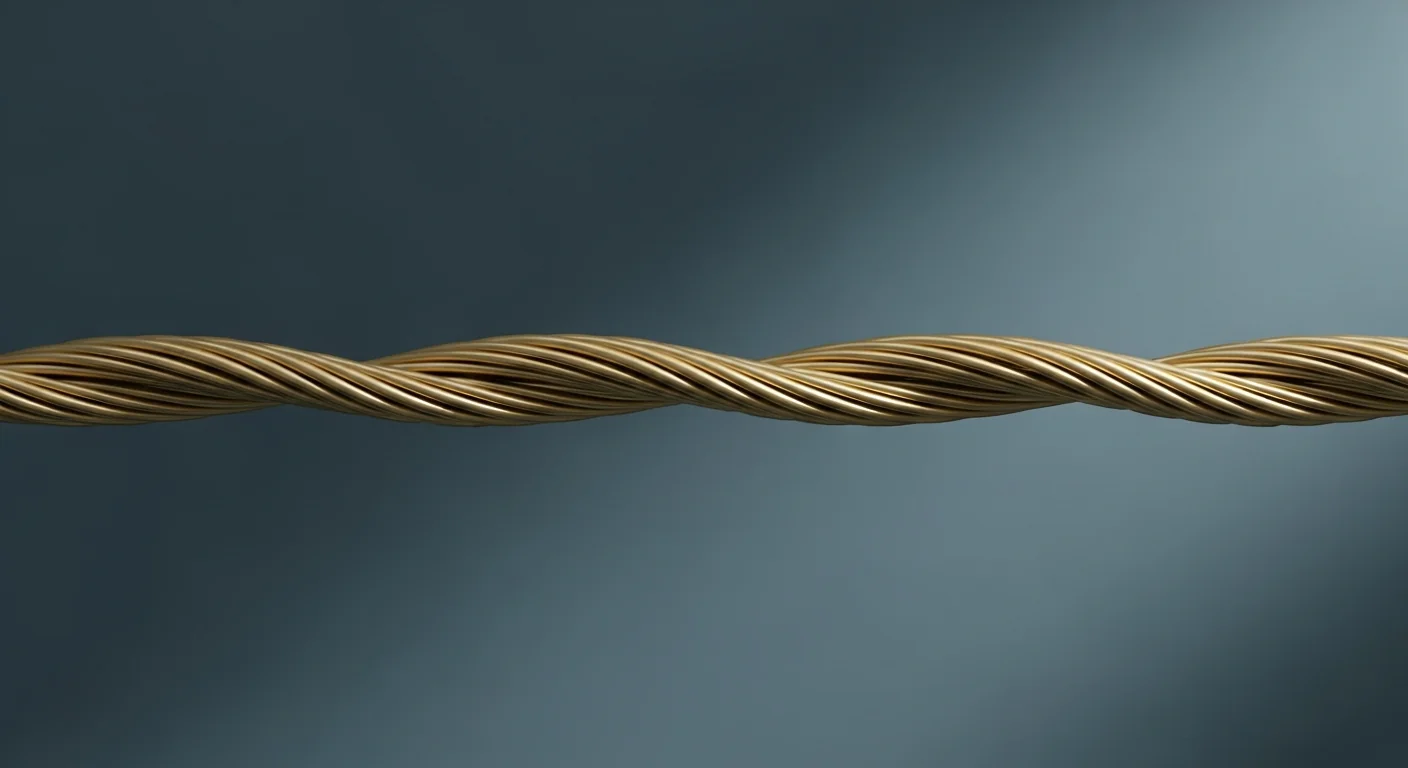
More Than Just "Pulling Skin Tight"
Most patients who walk into a consultation for thread lifting have one expectation: tighter skin. And they're not wrong — threads do lift. But what most clinics fail to explain is that the immediate lift is only half the story.
The real value of modern thread lifting lies in what happens after the threads are placed: a biological process that quietly builds new collagen inside your skin over 12–18 months.
Understanding this dual mechanism — physical lift plus biological stimulation — changes how you evaluate the procedure, set expectations, and choose the right material.
The Two Engines of Thread Lifting
Engine 1: Physical Lifting (Immediate)
This is the part everyone sees on Instagram. Threads with tiny barbs (called "cogs") are inserted beneath the skin, where they anchor into the tissue and reposition it upward against gravity.
- What you see: A visible lift within days, fully settling after 1–2 weeks as swelling subsides.
- What it does: Repositions sagging tissue along a planned direction (called a "vector").
- The limitation: Without the second engine, this physical lift alone would relax within 3–6 months as the tissue settles.
Engine 2: Biological Stimulation (Delayed — and More Important)
This is what separates modern thread lifting from a simple "pull."
When a thread is placed inside your body, your immune system recognizes it as a foreign material and activates a controlled response:
- Immune cells (M2 macrophages) surround the thread
- Growth factors (TGF-β1) are released
- Fibroblasts — your skin's collagen-producing cells — multiply
- New collagen (Type I and III) is synthesized around the thread
- New blood vessels form, improving skin texture and brightness
The thread itself gradually dissolves over months. But the collagen scaffold it triggered remains — meaning the structural benefit outlasts the thread.
This is why physicians call thread lifting a "biostimulatory" procedure: it uses a controlled physical stimulus to trigger a biological repair response.
The Three Thread Materials — and What Each Does Best
Not all threads are the same. The three most widely used materials each have distinct absorption timelines and biological profiles:
| Material | Full Name | Dissolves In | Primary Strength |
|---|---|---|---|
| PDO | Polydioxanone | 6–8 months | Immediate lift, well-established track record |
| PCL | Polycaprolactone | 18–24 months | Longest stimulation period, volume restoration |
| PLLA | Poly-L-Lactic Acid | 12–18 months | Strongest fibroblast activation, skin quality improvement |
PDO — The Established Standard
PDO threads have the longest clinical history. They provide a reliable immediate lift and moderate collagen stimulation over 6–8 months before being fully absorbed.
Best for: Patients wanting a proven, lower-cost option with visible immediate results. Good for first-time thread lifting.
Trade-off: Shorter stimulation window means the collagen-building phase ends sooner than PCL or PLLA.
PCL — The Long-Duration Builder
PCL threads stay active in the tissue for 18–24 months — the longest of the three. The collagen stimulation is gradual but sustained, and continues even after the thread has dissolved.
Best for: Patients with noticeable volume loss who want sustained improvement over time. Often used for cheek and midface restoration.
Trade-off: Results build more gradually; patients who want dramatic immediate change may find the timeline slow.
PLLA — The Biostimulator
PLLA is the same material used in Sculptra, one of the most established collagen-stimulating injectables. As a thread, it produces the most aggressive fibroblast response of the three materials.
Best for: Patients whose primary concern is skin quality — elasticity, texture, and firmness — rather than dramatic repositioning.
Trade-off: The lifting component is less pronounced than cog-structured PDO; PLLA threads are often smooth rather than barbed.
Thread Types: Smooth vs. Cog vs. Bidirectional
Beyond material, threads come in different physical designs:
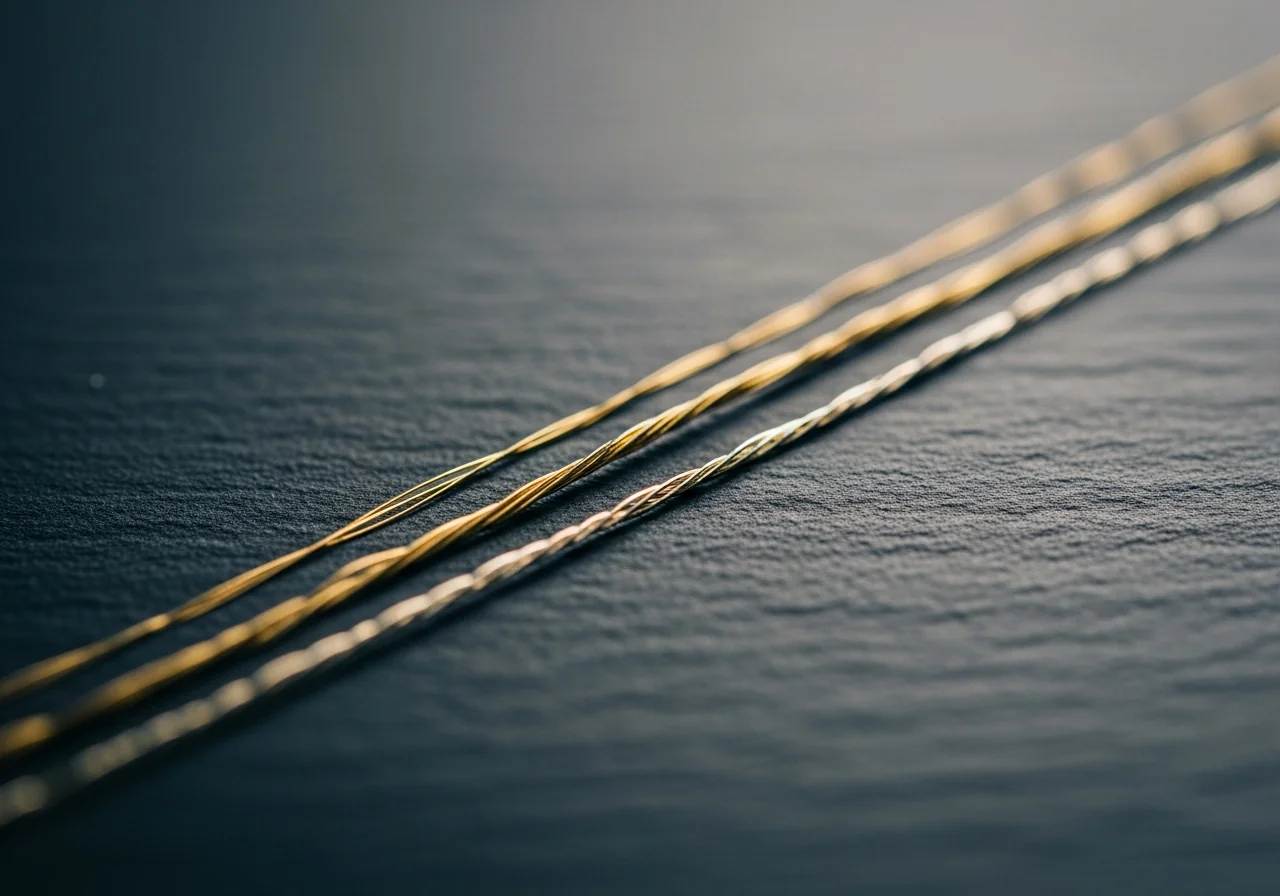
- Smooth threads — No barbs. Placed in the upper skin layers to stimulate collagen and improve skin quality. No significant lifting effect. For an alternative approach to collagen stimulation without threads, see MCT (MicroCoring).
- Mono cog threads — Barbs in one direction. Placed in the fat layer for moderate lifting.
- Bidirectional cog threads — Barbs in two directions, anchoring from the center outward. Placed deeper (near the SMAS layer) for the strongest lift. Requires the most skill.
The deeper the placement and the more aggressive the cog design, the stronger the lift — but also the higher the risk if performed incorrectly.
Why the "Vector" Matters More Than the Thread
Here's something most marketing won't tell you: the direction of thread placement determines roughly 70% of the result.
This directional plan is called the "vector," and it must be customized to each patient's anatomy:
- Temporal vector — Lifts the cheek and midface upward and outward
- Malar vector — Restores the "apple cheek" contour
- Jawline vector — Sharpens the jaw and reduces jowling
- Neck vector — Addresses double chin and neck laxity
A poorly chosen vector creates the unnatural "swept" or "windblown" look that patients fear — and it's the single most common cause of dissatisfaction. The thread material matters far less than the surgeon's understanding of facial anatomy and vector planning.
Complications to Know About
Thread lifting is minimally invasive, but it's not risk-free. Honest disclosure:
| Complication | Cause | What Happens |
|---|---|---|
| Dimpling | Thread placed too superficially | Small dents visible on the skin surface |
| Asymmetry | Uneven vector planning | One side looks different from the other |
| Thread extrusion | Infection or incorrect placement depth | Thread pokes through the skin — requires removal |
| Nerve injury | Placement in anatomical danger zones | Numbness or weakness (rare but serious) |
| Early relaxation | Failed tissue adhesion | Lift fades within weeks instead of months |
Most complications are technique-dependent, not material-dependent. This is why surgeon selection matters enormously.
What to Expect: The Realistic Timeline
| Timeframe | What Happens |
|---|---|
| Day 0 | Procedure complete. Mild swelling, possible bruising. |
| Days 1–5 | Limit facial expressions, avoid chewing hard foods. Some tightness. |
| Week 1–2 | Swelling subsides. Physical lift becomes clearly visible. |
| Month 1–3 | Collagen production begins. Skin texture starts improving. |
| Month 3–12 | Biological remodeling continues. Skin becomes firmer, thicker. |
| Month 12–24 | Thread fully absorbed (depending on material). Collagen scaffold remains. |
The key insight: thread lifting is not a one-moment result. It's a process that unfolds over months. Patients who understand this timeline are consistently more satisfied.
How to Choose: A Decision Framework
Rather than asking "which thread is best?" — ask these questions:
1. What is your primary concern?
- Sagging/repositioning needed → Cog threads (PDO or PCL)
- Skin quality/firmness → Smooth threads (PLLA or PDO)
- Both → Combination approach
2. How much downtime can you take?
- All thread types have minimal downtime (3–5 days), but deeper cog placements may involve more swelling.
3. What is your age and skin condition?
- Mild laxity (30s–40s) → Smooth or mono cog threads may suffice
- Moderate laxity (40s–50s) → Bidirectional cog threads for structural lift
- Severe laxity → Threads alone may not be enough; surgical options should be discussed
4. Are you combining with other treatments?
- Thread lifting pairs well with HIFU (energy-based tightening), fillers (volume), and botox (muscle relaxation). A skilled physician designs these as a system, not isolated procedures.
The Question That Matters Most
After reading this, you might still wonder: "So which thread should I get?"
The honest answer: that's not a question you should answer alone. It requires a physician who can assess your skin laxity, fat distribution, bone structure, and aesthetic goals — then design a vector plan and material selection specific to you.
What you can do is walk into that consultation knowing the right questions:
- What material are you recommending, and why?
- Where exactly will the threads be placed?
- What is the vector plan for my face?
- What should I realistically expect at 1 month vs. 6 months vs. 12 months?
- What are the risks specific to my anatomy?
A physician who answers these clearly — without rushing — is one worth trusting.
For the underlying clinical evidence on PDO, PCL, and PLLA thread biostimulation and dermal remodeling timelines, the PubMed literature on absorbable thread collagen biostimulation is a useful starting point.
Dr. Jee Hoon Ju is an American Board of Aesthetic Medicine certified specialist in aesthetic medicine and hair transplantation, with clinical experience in thread lifting, energy-based devices, and injectable treatments.
Related reading: Dermal Filler Brands Guide — how fillers and threads work together for volume + lift. MCT: Skin Rejuvenation Without Heat — a mechanical alternative for skin tightening. Why Korea for Medical Care — why Seoul leads in non-surgical aesthetics.
Frequently Asked Questions
- How does thread lifting actually work?
- Thread lifting works through two mechanisms. First, absorbable threads with tiny barbs called cogs are inserted under the skin to physically reposition sagging tissue along a planned vector. Second, the body recognizes the threads as foreign material and activates a controlled immune response — macrophages, growth factors, fibroblasts, and new collagen form a scaffold around each thread. The thread eventually dissolves, but the collagen scaffold remains, which is why the structural benefit outlasts the thread itself.
- What is the difference between PDO, PCL, and PLLA threads?
- PDO (polydioxanone) dissolves in 6 to 8 months and has the longest clinical track record, making it a reliable lower-cost option. PCL (polycaprolactone) lasts 18 to 24 months and provides the most sustained collagen stimulation, which suits patients with volume loss. PLLA (poly-L-lactic acid) is the same material used in Sculptra and produces the strongest fibroblast response, making it best for skin quality and firmness rather than aggressive lifting.
- How long do thread lift results last?
- The physical lift from the threads themselves gradually fades as the material dissolves — between 6 months for PDO and up to 24 months for PCL. But the collagen scaffold triggered around the threads persists beyond absorption, so the structural benefit outlasts the material. Realistic overall durability is about 12 to 18 months of visible improvement, though this depends on age, skin condition, and the thread material used.
- Is thread lifting safe?
- Thread lifting is minimally invasive but not risk-free. Possible complications include dimpling from superficial placement, asymmetry from uneven vector planning, thread extrusion from infection or incorrect depth, and in rare cases nerve injury from placement in anatomical danger zones. Most complications are technique-dependent rather than material-dependent, which is why the surgeon's anatomical knowledge and experience matter far more than the brand of thread used.
- What is a vector in thread lifting and why does it matter?
- A vector is the direction along which threads are placed to reposition facial tissue. Temporal vectors lift the cheek upward and outward, malar vectors restore the apple cheek, jawline vectors sharpen the jaw and reduce jowling, and neck vectors address double chin and laxity. Vector planning accounts for roughly 70 percent of the aesthetic result. A poorly chosen vector creates the unnatural swept or windblown look that patients fear most.
- Who is a good candidate for thread lifting?
- Good candidates have mild to moderate skin laxity, typically in their late 30s to early 50s, with enough underlying tissue to anchor threads effectively. Patients with minimal laxity may not need threads, while patients with severe sagging or significant jowling usually need surgical options instead. Thread lifting also works well in combination with fillers for volume, botox for muscle relaxation, and energy-based devices like HIFU — as part of a designed system, not isolated procedures.
- How should I choose between PDO, PCL, and PLLA for my face?
- That is not a question to answer alone. The right material depends on your skin laxity, fat distribution, bone structure, and goals — whether you need repositioning, volume restoration, or skin quality improvement. Walk into the consultation asking your physician which material they recommend and why, where exactly the threads will be placed, what the vector plan is for your face, and what the realistic timeline is at 1, 6, and 12 months. A clear, unhurried answer is a good sign.